
Seasonal strategy
A seasonal Google Ads plan for landscaping companies.
Landscaping is strongly seasonal. Homeowners start planning projects in late winter, spring brings the biggest spike in searches, and fall brings cleanups. Budgets should rise before spring, not after.
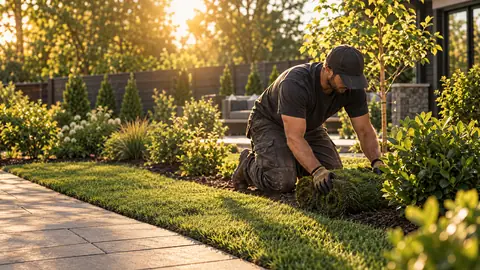
The calendar
How budgets should move through the year
Late winter
Start design-build and hardscape campaigns while homeowners plan.
Early spring
Raise budgets for cleanups, sod, mulch and planting.
Late spring
Peak demand: protect budgets for the services you most want.
Summer
Maintenance, irrigation and smaller installs; book fall projects.
Fall
Cleanups, planting and next-year project consultations.
Winter
Lower budgets; collect project leads for spring.
Why it matters
Budgets should lead demand, not chase it
When budgets only go up after the phones start ringing, two things happen: you miss the first wave of searches, and campaigns start learning at the most expensive time of year. Raising budgets a little ahead of demand — and having ads, landing pages and tracking ready — means you’re fully running when the season starts.
In slower months, we don’t switch campaigns off entirely. Lower budgets keep accounts learning and keep you visible for planned work, which often has better margins anyway.
Timing varies by market and weather, so we set the plan with you and adjust it as each season unfolds.
Frequently asked questions
Should landscaping companies pause ads in the slow season?
Usually not completely. Lower budgets keep campaigns active and capture planned work. Pausing and restarting can mean relearning when demand returns.
How far ahead should budgets rise?
A few weeks before demand typically picks up in your area. We use your past call volume and search trends to time it.
Related
More for landscaping companies
- Landscaping marketing
- Google Ads for landscapers
- Local Services Ads for landscaping companies
- Facebook & Instagram ads for landscaping companies
- Websites for landscaping companies
- SEO for landscaping companies
- How much does Google Ads cost for landscaping companies?
- Google Ads for landscaping companies: the complete guide
- Google Ads for landscaping companies: the complete guide
Next step
Want a second opinion on your landscaping ads?
Tell us what you’re running and what you want more of. We’ll reply with what we’d change first.